In Loveland, a New 3,800-Square-Foot House Can Cost Less Per Foot Than an 800-Square-Foot Cottage
September 17, 2026
September 17, 2026
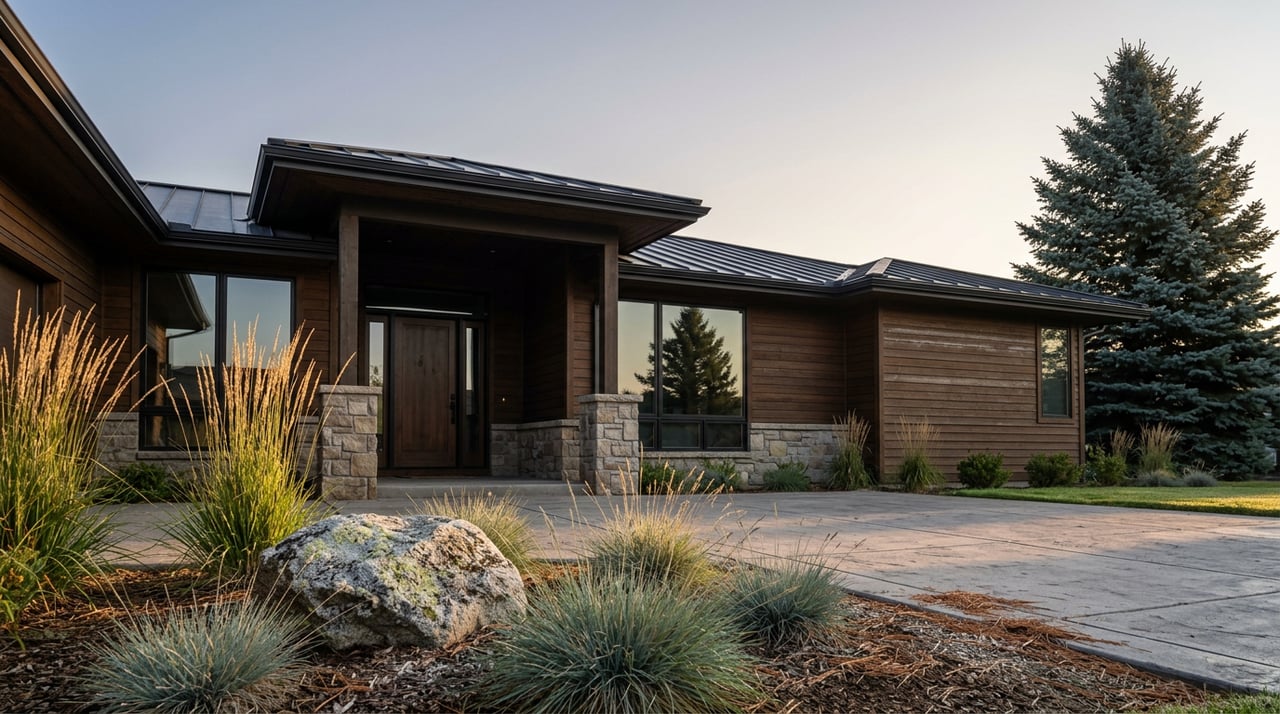
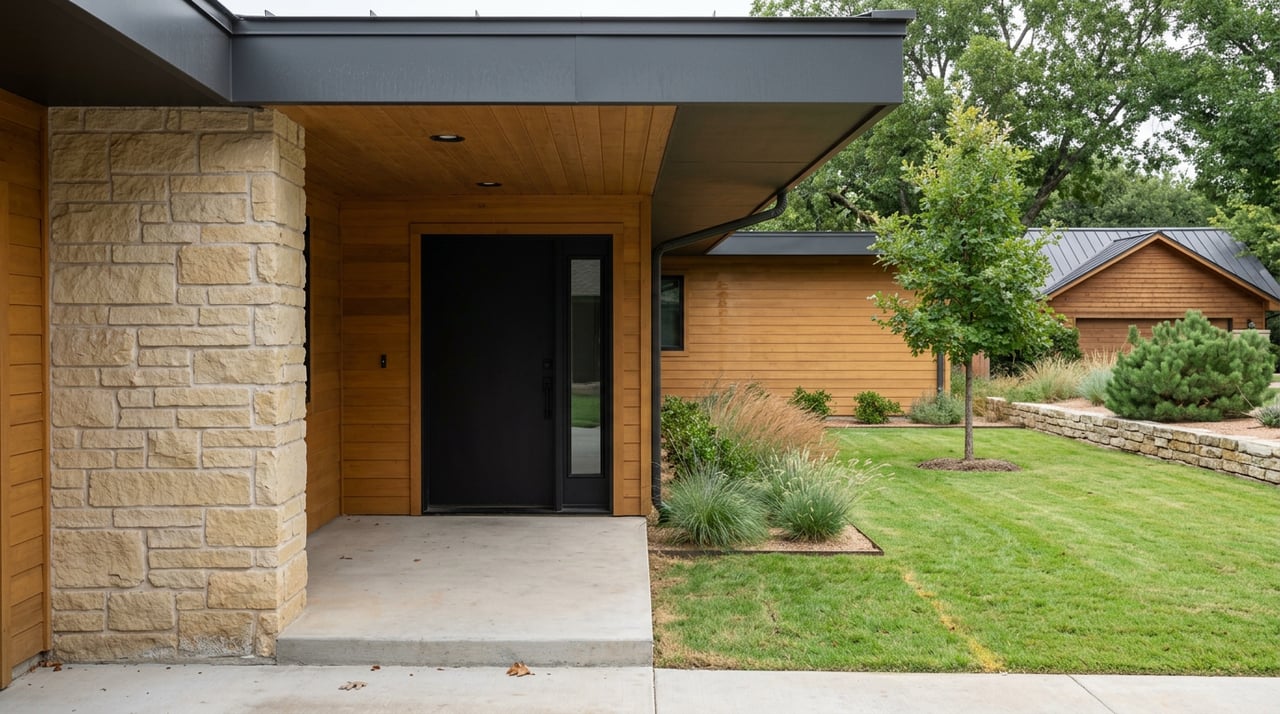
A buyer touring Loveland this fall will likely see two very different showings in the same afternoon. One is a hundred-year-old cottage a few blocks off Cleveland Avenue, maybe 800 to 1,300 square feet, original hardwood, a covered porch, walking distance to Lake Loveland. The other is a model home out at Kinston, the new-construction neighborhood inside the Centerra master plan, three or four bedrooms, a three-car garage, closer to 3,800 square feet, built this year.
Ask which one costs more per square foot and most buyers guess wrong. It's the cottage.
That is not a rounding error. It is the central fact of Loveland's current market, and it changes how a buyer should read every listing that quotes a price per square foot as if that number means the same thing everywhere in town.
Citywide, Loveland's median sale price has been running around $270 per square foot over the three months ending in April 2026, up about 7.4 percent year over year. That is the number most portals lead with, and on its own it suggests a market where bigger, newer product costs a predictable premium.
Downtown Loveland breaks that pattern. Over the same three-month window ending in April 2026, the neighborhood's median sale price per square foot was $359, and its median sale price was $623,000, up 45.7 percent year over year on a small sample of transactions. Active vintage listings downtown, the century-old bungalows and converted cottages, have carried a median list price near $805,000 with as few as five on the market at once.
Now put a Kinston listing next to it. Recent builder pricing at Kinston at Centerra has run from about $584,950 to $759,950 for homes between 1,960 and 3,798 square feet, built by Richmond American Homes, with Shea Homes bringing its Trilogy Centerra 55+ community into the same footprint later this year. Two of the larger floor plans currently listed there, a 3,877-square-foot home at $639,950 and a 3,590-square-foot home at $674,950, work out to roughly $165 and $188 a foot. That is meaningfully less, often close to half, of what the downtown cottage commands per foot.
Here's a compact way to see the gap:
| Area | Recent price per square foot | Typical home size | What it buys |
|---|---|---|---|
| Loveland citywide | ~$270 (3 mo. ending Apr 2026) | Varies | The blended, misleading middle |
| Downtown Loveland | ~$359 (3 mo. ending Apr 2026) | 800 to 1,600 sq ft | Walkability, scarcity, a lot line, not square footage |
| Kinston at Centerra | ~$165 to $200 (recent builder listings, larger floor plans) | 1,960 to 3,798 sq ft | New construction, more space, less walkable |
The citywide figure blends two markets that behave almost nothing alike.
The premium on those small downtown homes is not really about the house. Downtown Loveland carries a Walk Score of 83, meaning most daily errands do not require a car. The city as a whole scores 30. That 53-point gap is the product a downtown buyer is purchasing, not the square footage.
Scarcity does the rest. When only a handful of vintage homes are listed at any given time, in a neighborhood built out for over a century with no more land to add, price per square foot stops tracking construction cost and starts tracking how many buyers want in versus how many houses exist. A buyer paying $359 a foot for a 1,910-built two-bedroom is bidding on proximity to Lake Loveland, the shops and restaurants along Cleveland and Lincoln Avenues, breweries like Verboten, and the fact that nobody is building another block of it.
That is a legitimate trade. It is also one a buyer should make with open eyes, because a downtown cottage's price per square foot will not behave like a new-construction comp three miles away, and comparing the two on that metric alone will make one look like a bargain and the other like a rip-off when neither label really fits.
The flip side of the comparison carries its own asterisk. New construction spreads its fixed costs, land, utility lines, the Kinston Hub welcome center, the Hub Café, walking trails, and public art tied to the Chapungu Sculpture Park and the High Plains Environmental Center, across a larger number of square feet. That is a big part of why a 3,800-square-foot new build can post a lower per-foot price than an 800-square-foot antique. It is not that the new home is underpriced. It is that the cost of the amenities and infrastructure gets divided by more square footage per house.
Some of that infrastructure is paid for through a metro district rather than baked into the builder's price. Kinston sits inside Kinston Metropolitan District No. 10, one of several districts organized together in December 2019 under Centerra's consolidated service plan, and the district's own buyer FAQ documents that a property inside its boundaries can carry mill levies for the City of Loveland, Larimer County, the Thompson R2-J School District, Centerra Metropolitan District No. 2, and Kinston's own district on top of that. That original 2019 filing put the overlapping mill levy apart from any district levy at roughly 125.769 mills for that tax year, with Centerra Metropolitan District No. 2 permitted to levy up to 29.400 mills on its own. Those figures reflect the district's founding filing rather than a current tax bill, but the mechanism they describe still applies today. None of it shows up in a builder's advertised price per square foot. It shows up on the annual tax bill instead, which is exactly why a straight price-per-foot comparison between Kinston and downtown understates the real annual cost of the new-construction side.
There's also a mobility trade running the other direction from downtown's walkability premium. One Kinston listing site recorded a Walk Score as low as 4 for a section of the community, meaning most errands there require a car, at least until Kinston's planned pool, fitness center, and event lawn are finished and the neighborhood fills in further.
Does a lower price per square foot at Kinston mean it's the better deal? Not automatically. Run the metro district mill levy against the downtown property's tax bill before comparing total cost, since the district's own service plan documents show levies stacking well beyond what a City-only property pays.
Why did Downtown Loveland's median price jump 45.7 percent year over year if per-square-foot demand is really about scarcity? With as few as five vintage homes listed at a time, a handful of larger or better-located sales can swing the median hard in either direction. That volatility is itself a signal of how thin the inventory is, not proof the neighborhood repriced overnight.
How should buyers assess a Kinston mill levy over time? A levy that looks manageable at closing is worth revisiting before a long-term hold.
Loveland's median price per square foot tells a buyer almost nothing about what a specific house will cost to own, because the city is really two markets wearing one number. A downtown cottage and a Kinston new build are solving different problems for different buyers, and the smart move is pricing each on its own terms rather than borrowing the other's yardstick.
If you're weighing a walkable lot downtown against new square footage out at Centerra, or pricing a home to sell into either market, Beth Bishop Real Estate can walk through the real numbers, mill levy schedules included, before you write an offer or set a list price. Schedule Your Complimentary Home Strategy Consultation to get the comparison in writing.
This article is general information, not legal, tax or financial advice. Consult a qualified professional about your situation.
Stay up to date on the latest real estate trends.
We pride ourselves in providing personalized solutions that bring our clients closer to their dream properties and enhance their long-term wealth.