Compare Newer vs Historic Fort Collins Neighborhoods
June 18, 2026
June 18, 2026
Trying to choose between a newer Fort Collins neighborhood and a historic in-town area? That decision can shape how you live day to day, from your commute and outdoor space to renovation plans and the kind of neighborhood rules you may encounter. If you are moving to Fort Collins, it helps to understand how these areas are built, what they tend to offer, and where the biggest tradeoffs show up. Let’s break it down.
Fort Collins already plans for different neighborhood experiences. In the city’s framework, suburban neighborhoods are usually centered on single-family detached homes at about 2 to 5 homes per acre, with walking and biking infrastructure but more limited transit service.
The city also identifies mixed neighborhoods, which can include detached homes, duplexes, triplexes, and townhomes. These areas are intended to place amenities, services, and transit closer to where you live, and newer greenfield mixed neighborhoods are expected to include a range of lot sizes, housing types, and price ranges.
That means your choice is not just about home age. In Fort Collins, it is often a choice between two different planning styles, each built around a different daily lifestyle.
Newer neighborhoods in Fort Collins often feel more structured and more intentionally planned. The city’s Design Manual describes development in a connected, town-like pattern, and current planning work emphasizes neighborhood centers, park and trail connections, and active transportation.
If you are looking at a newer master-planned community, you may also find shared amenities and a more organized neighborhood structure. Bucking Horse is a clear example, with resident access to social events, pool information, property management, and HOA processes for landscaping and architectural changes.
For many movers, that setup feels convenient. You may like having modern layouts, coordinated streetscapes, and common amenities that are maintained through an organized system.
Newer Fort Collins neighborhoods often appeal to buyers who want:
That last point matters. In many newer neighborhoods, day-to-day expectations may be shaped more by HOA covenants and management than by historic preservation rules.
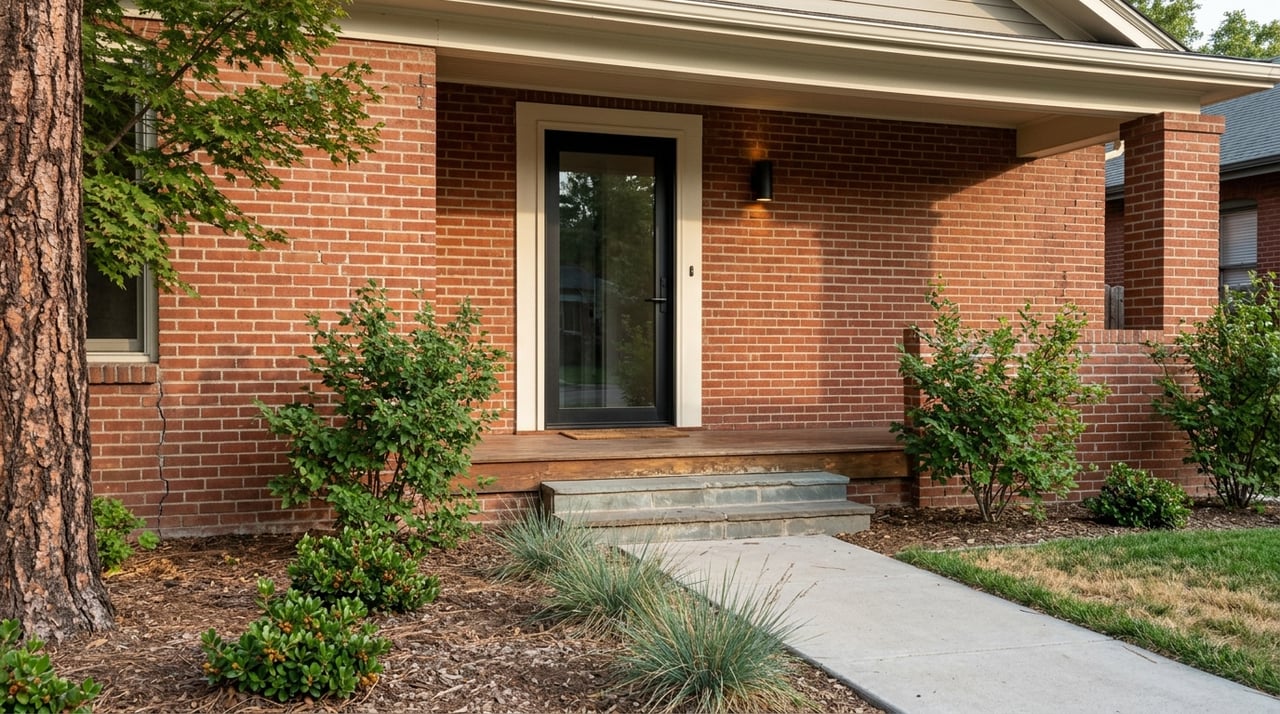
Historic in-town neighborhoods near Old Town and CSU offer a very different experience. The Old Town Neighborhoods Plan describes these areas as an eclectic mix of older homes of various sizes and styles, mature landscaping, and a grid-street block pattern.
This is the part of Fort Collins many people picture when they think of classic in-town charm. You will often see more visual variety from one home to the next, along with an established street layout that connects directly into downtown.
The plan appendices also help explain the feel of these neighborhoods. Many lots were observed in the 9,000 to 9,999 square foot range, and homes were predominantly 1,500 square feet or less. That combination can create a more compact home footprint with older lot patterns and mature yards.
Historic Fort Collins neighborhoods often appeal to buyers who want:
For some movers, that character is the deciding factor. For others, it comes with tradeoffs they want to understand before making an offer.
When you compare newer and historic Fort Collins neighborhoods, a few differences tend to matter most.
Historic neighborhoods often offer more architectural character, but they can involve more review when you want to change the exterior of a home. In local historic districts, Fort Collins reviews exterior alterations, demolition, and new construction for compatibility.
The city notes that landmark designation does not change the use or zoning of a property. Still, exterior work may be reviewed, and design standards can affect the size and appearance of proposed changes.
In newer neighborhoods, the review process is typically different. Instead of preservation review, buyers are more likely to encounter current land-use rules along with HOA covenants or design controls.
Lot experience can vary in both settings, but it often feels different. In the Old Town neighborhoods, many lots cluster around the 9,000-square-foot range, while the homes themselves are often smaller by today’s standards.
In newer greenfield mixed neighborhoods, the city expects a variety of lot sizes and housing types. In suburban neighborhoods, the pattern still leans primarily toward single-family detached homes, so your outdoor space may depend heavily on the design of the specific subdivision.
Historic in-town areas benefit from an established grid pattern and direct access to downtown. If you want a neighborhood that ties into the older urban core, that can be a major advantage.
Newer neighborhoods are also being planned with walking, biking, parks, trails, and neighborhood centers in mind. Still, the city says suburban neighborhoods generally have more limited transit service than mixed-neighborhood or in-town settings.
This is one of the clearest lifestyle differences. In a newer community, you may find more day-to-day HOA oversight related to landscaping, common areas, or exterior modifications.
In a historic district, the main issue is often city compatibility review for exterior work rather than an HOA-driven structure. Neither system is automatically better. It depends on whether you prefer a more managed neighborhood environment or a setting shaped by preservation standards.
Resale appeal can exist in both categories, but for different reasons. Fort Collins says historic designation generally supports value by adding predictability and helping protect neighborhood character.
Newer communities may attract buyers who want modern layouts, shared amenities, and organized neighborhood programming. In either case, resale will still depend on the property’s location, condition, and how well it matches what buyers are looking for at that time.
| Feature | Newer Neighborhoods | Historic In-Town Areas |
|---|---|---|
| Overall feel | More planned and structured | More varied and established |
| Home styles | Often more current in layout and design | Often older and more eclectic |
| Neighborhood rules | Commonly shaped by HOA covenants | Often shaped by preservation review for exterior work |
| Walkability pattern | Planned around trails, centers, and connections | Grid streets with direct in-town access |
| Transit context | Often more limited in suburban settings | Typically stronger in-town context |
| Landscaping | Newer installations and coordinated design | Mature landscaping |
| Shared amenities | More common in some master-planned areas | Less defined by amenity packages |
If you are relocating to Fort Collins, start by thinking about how you want your neighborhood to function, not just how you want your home to look. A beautiful house can still feel like the wrong fit if the surrounding environment does not match your daily habits.
Ask yourself questions like:
These questions can quickly narrow your search. They also make it easier to compare homes that may look very different on paper but serve a similar budget or lifestyle goal.
A newer Fort Collins neighborhood may be the better fit if you want modern planning, more organized amenities, and a neighborhood structure that feels more consistent from the start. This path often appeals to buyers who value convenience, current layouts, and a more managed community framework.
A historic Fort Collins neighborhood may be the better fit if you want older architecture, mature landscaping, and direct access to the established in-town fabric around Old Town and CSU. This choice often appeals to buyers who care most about character, setting, and a neighborhood story that has developed over time.
There is no one-size-fits-all answer. The right choice depends on what you want your next chapter in Fort Collins to feel like.
If you want help comparing neighborhoods, home styles, and long-term fit in Fort Collins, the Beth Bishop Real Estate Team offers consultative, local guidance designed to help you move with clarity and confidence.
Stay up to date on the latest real estate trends.
We pride ourselves in providing personalized solutions that bring our clients closer to their dream properties and enhance their long-term wealth.