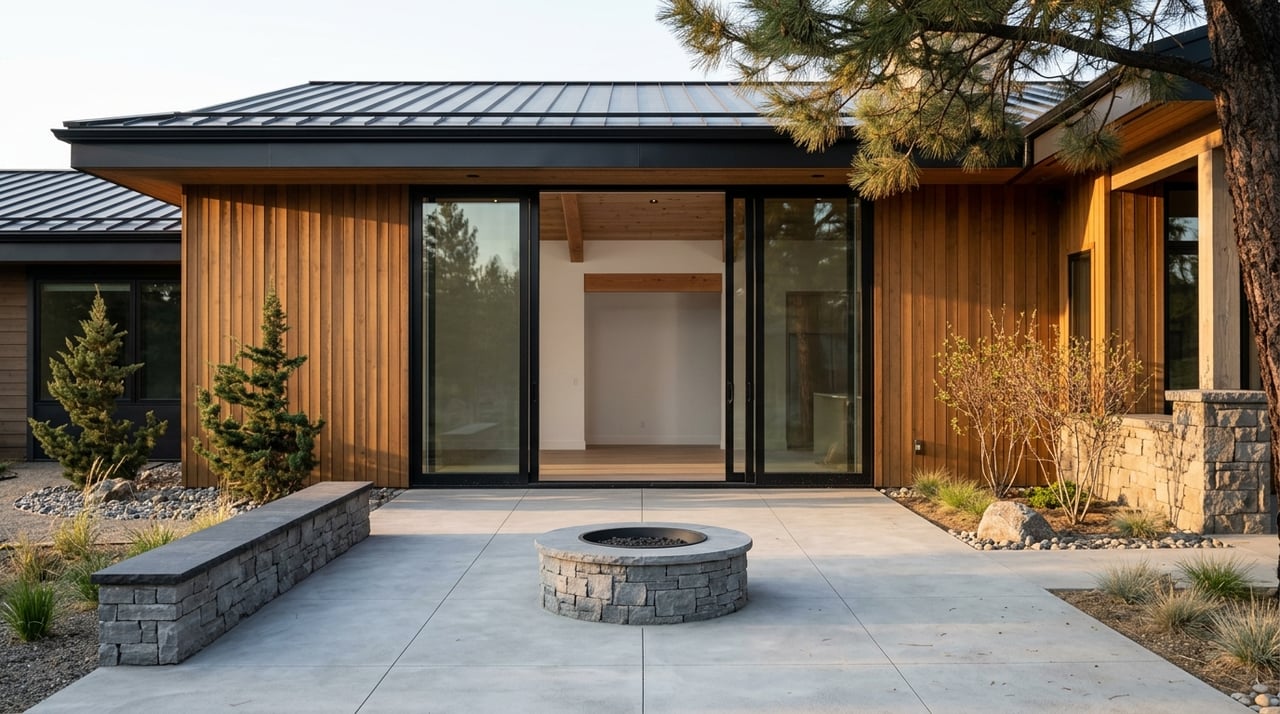
Buying a Fort Collins Home Out of State With Confidence
June 25, 2026
June 25, 2026
Buying a home when you are hundreds or even thousands of miles away can feel risky, especially in a market like Fort Collins where homes can move fast. You want enough time to research neighborhoods, understand the process, and make a strong decision without being on the ground every day. The good news is that with the right local guidance and a clear plan, you can buy from afar with confidence. Let’s dive in.
Fort Collins is a market where preparation matters. As of May 31, 2026, Zillow reported an average home value of $568,335, about 702 active listings, and homes going pending in around 11 days.
That speed can be challenging if you are relocating, buying a second home, or trying to coordinate travel around work and family. It also means citywide numbers only tell part of the story. Neighborhood values can vary widely, from about $346,722 in Scotch Pines to about $727,895 in Indian Hills, so your search should be specific from the start.
When you are buying from afar, one of the biggest mistakes is treating Fort Collins like one uniform market. In reality, pricing, home styles, lot sizes, HOA structure, and property features can vary a lot from one area to another.
A more focused search helps you move faster when the right home appears. It also keeps you from spending time on listings that do not fit your budget, property goals, or preferred setting.
Think about what matters most in your daily life and long-term plans. You may be looking for a low-maintenance in-town home, a property with more land, or a home that has features common in newer construction.
This is where local guidance becomes especially valuable. A knowledgeable Fort Collins advisor can help you narrow your search based on price range, commute needs, lot size, HOA presence, and the practical differences between neighborhoods and surrounding properties.
Colorado’s Division of Real Estate recommends working with a licensed broker because the home buying process is complex. The broker is expected to present offers promptly, disclose adverse material facts they know, account for money received, advise on issues beyond their expertise, and keep you fully informed throughout the transaction.
For an out-of-area buyer, that role matters even more. When you cannot easily pop over to a showing, review a neighborhood in person, or handle paperwork face-to-face, you need someone local who can keep the process moving and help you stay on top of deadlines.
In a fast market, your preparation can affect how competitive your offer feels. Even before you find the right property, it helps to have your finances organized and your buying timeline clearly defined.
That way, when a home fits your goals, you can focus on the property itself instead of scrambling to make the logistics work. Remote buyers often benefit from treating their early planning as part of the offer strategy.
Technology can make remote home shopping much easier, but it should not replace due diligence. Photos, video tours, and live walk-throughs can help you screen homes efficiently and decide which properties deserve a closer look.
Still, a virtual showing cannot tell you everything. Room flow, exterior condition, traffic patterns, nearby land uses, and subtle wear may not come through the same way on screen, which is why many remote buyers narrow their options virtually and then verify the final choice with trusted local help.
In Colorado, the contract process is more than just a price and a signature. The Division of Real Estate explains that contracts commonly include financing, appraisal, inspection, survey, title, covenant, and HOA-document contingencies.
For a remote buyer, that means your offer should be viewed as a deadline map. Once you are under contract, there are multiple dates and document review periods to track, and each one can affect your next decision.
Colorado describes earnest money as a buyer deposit that is commonly held by a title company. The title company also helps verify ownership, identify liens or encumbrances, and issue title insurance.
If you are buying from out of area, it helps to understand who is holding funds, what documents are due when, and how title work fits into the overall timeline. This is one more reason a well-organized local advisor matters.
If you are buying sight-unseen or competing quickly, appraisal risk deserves attention. Colorado says the lender usually chooses the appraiser, and the buyer usually pays unless the contract says otherwise.
The state also defines an appraisal gap as the difference between the offer price and the appraised value. In a fast-moving market, you should understand that possibility before you submit an offer, not after the report arrives.
If the home is part of an HOA, do not treat that as a small detail. Colorado notes that buyers should expect restrictive covenants, and once you are under contract, you are entitled to the documents listed in section 7 of the residential contract.
Those governing and financial documents help you evaluate how the HOA operates. For a remote buyer, they can reveal important practical details about rules, fees, property use, and the association’s overall structure.
Inspections are one of the most important safeguards when you cannot evaluate a property in person as often as you would like. Colorado recommends a general home inspection and notes that additional inspections, such as sewer scopes or structural engineering reviews, may also be appropriate.
The Division of Real Estate also says your inspection contingency should allow room for repair discussions or release from the contract if defects are found. In other words, inspections are not just a box to check. They are a key decision point.
A standard inspection is a strong starting point, but some homes need more. Older properties, homes with larger lots, and homes with specialized systems may call for extra review.
For remote buyers, that deeper diligence is often worth the effort because you may not have a chance to revisit the property several times before closing. A careful inspection plan can reduce surprises later.
If the property has a septic system in Larimer County, there are specific local requirements. A certified third-party inspection is required, and the report must be sent to the county before the transaction is finalized.
If repairs are needed, the county may allow a repair agreement or a conditional path when weather or access prevents a pre-closing inspection. Larimer County also posts septic documents through its property records page, which can help with property research during due diligence.
If you are considering acreage or a rural property, a private well adds another layer of review. Colorado states that private wells are not regulated under the Safe Drinking Water Act in the same way public systems are, and individual owners are responsible for testing the water.
The state Division of Water Resources provides well-permitting resources that can be useful when evaluating these properties. If a home has a well, make sure that testing and permit review are part of your remote-buying checklist.
Radon should be on every Fort Collins remote buyer’s diligence list. Larimer County reports an average radon level of 7.8 pCi/L, which is above the EPA action level of 4 pCi/L.
Larimer County also notes that Fort Collins residents can access discounted test kits, and the Colorado Department of Public Health and Environment says testing is the only way to know whether mitigation is needed. This is a practical issue to address during inspections, not after move-in.
Remote buyers often need extra confidence in the paper trail behind a property. Larimer County offers free property record searches, which can help you verify ownership and review available records tied to a home.
The county also offers a free Recording Activity Notification service. That can be useful after closing as well, since it helps you monitor later recordings tied to your name.
Many buyers assume buying from afar means every step will be fully virtual. In Colorado, the reality is often more of a hybrid process.
The Colorado Division of Real Estate still describes closing as typically happening in person at the title company. At the same time, Colorado allows remote notarization when it is performed by a currently commissioned Colorado notary who has been approved as a remote notary.
Colorado’s Secretary of State says remote notarization requires real-time audio-video communication. The notarization must be recorded and stored for ten years, and the maximum fee is $25 per document.
Remote notaries may notarize real estate deeds and other real estate documents. That can make closing easier from afar, but you should still expect some coordination with the title company and your local advisor to confirm which documents can be handled remotely.
Larimer County accepts signed and notarized documents by mail or in person and also offers e-recording through approved vendors. The county also notes that recorded documents are public record.
That is helpful to know as you finalize deeds and other closing paperwork from a distance. It is one more example of why a remote purchase still benefits from local oversight and clear communication.
When you buy from afar, you are not just hiring someone to unlock doors. You are relying on local support to help you move quickly, stay organized, and make informed decisions in a market where timing matters.
Colorado makes that expectation clear. The broker’s job includes presenting offers, disclosing known adverse material facts, advising on matters beyond their expertise, and keeping you informed. For remote buyers, that on-the-ground support is often what turns a stressful process into a manageable one.
If you are planning a move to Fort Collins, the goal is not just to buy a home without being there every day. It is to buy with clarity, verify the details that matter, and make strong decisions from start to finish.
If you want a trusted local partner to help you navigate a Fort Collins purchase from afar, connect with the Beth Bishop Real Estate Team for thoughtful, high-touch guidance.
Stay up to date on the latest real estate trends.
We pride ourselves in providing personalized solutions that bring our clients closer to their dream properties and enhance their long-term wealth.